In manufacturing environments, hoses are often perceived as simple, interchangeable components, until something goes wrong. Whether used for fluid transfer, compressed air, chemicals, or bulk materials, industrial hoses play a critical role in keeping operations running smoothly.
We regularly see how improper hose selection leads not only to technical issues, but also to significant, and often underestimated, costs across the entire operation.
This article explores the hidden costs of poor hose selection and provides practical guidance to help manufacturers make smarter, more cost-effective decisions.
1. Unplanned Downtime
One of the most immediate consequences of using the wrong hose is unexpected failure. Cracks, leaks, bursts, or coupling failures can bring production to a halt.
Even a short interruption can have a ripple effect:
- Missed production targets
- Delayed deliveries
- Increased labor costs
In high-volume manufacturing, downtime can cost thousands of euros per hour. In many cases, these failures stem from hoses being used outside their intended specifications—whether in pressure, temperature, or chemical compatibility.
2. Increased Maintenance and Replacement Costs
Selecting a hose based solely on initial price often leads to higher long-term costs.
Low-quality or unsuitable hoses:
- Wear out faster
- Require more frequent inspections
- Need earlier replacement
This creates a cycle of reactive maintenance instead of planned maintenance, increasing both labor and material expenses.
Key takeaway: A cheaper hose is rarely the most economical solution over its lifecycle.
3. Safety Risks and Liability
Hose failures can pose serious safety risks to workers:
- Fluid leaks can cause slips and falls
- High-pressure bursts may result in injuries
- Chemical exposure can lead to health hazards
Beyond the human impact, companies face:
- Potential legal liabilities
- Compliance issues
- Reputational damage
- The insurance companies always try to find a gap / reason to avoid coverages
In regulated industries, non-compliance with safety standards can also result in fines or operational shutdowns.
4. Product Contamination and Quality Issues
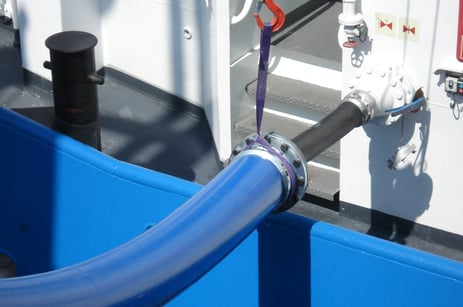
In sectors such as Drinking Water, food processing, pharmaceuticals, or chemical manufacturing, hose selection directly impacts product integrity.
Using an incompatible hose material can lead to:
- Contamination of the product
- Alteration of chemical properties
- Failure to meet regulatory standards
The cost of rejected batches, recalls, or customer claims can far exceed the cost of selecting the correct hose from the beginning.
5. Energy Inefficiency
An often-overlooked cost is energy loss. Poorly selected hoses may:
- Have incorrect internal diameters
- Cause excessive friction loss
- Reduce system efficiency
This forces pumps and compressors to work harder, increasing energy consumption and operational costs over time.
6. Reduced Equipment Lifespan
Improper hose selection can negatively affect connected equipment:
- Pressure inconsistencies strain pumps and valves
- Abrasive materials can damage internal surfaces
- Vibrations and improper fittings lead to premature wear
Over time, this reduces the lifespan of expensive machinery, adding capital expenditure to the list of hidden costs.
7. Lack of Standardization
Using multiple hose types without a clear selection strategy can create operational inefficiencies:
- Increased inventory complexity
- Higher risk of incorrect replacements
- Longer maintenance times
Standardizing hose solutions across facilities improves reliability and simplifies operations.
How to Avoid These Hidden Costs
Preventing these issues starts with a structured approach to hose selection, we recommend evaluating the following key factors:
- Application requirements: pressure, temperature, and environment.
- Media compatibility: chemical and material resistance
- Mechanical stress: abrasion, flexibility, and movement
- Standards and certifications: industry-specific compliance
- Lifecycle cost: not just initial price
Working with experienced partners ensures that hoses are correctly specified, installed, and maintained—reducing risk and optimizing performance.
Conclusion
Hoses may seem like a small part of a manufacturing system, but their impact is anything but minor. Poor hose selection can lead to downtime, safety risks, inefficiencies, and long-term financial losses.
By taking a proactive and technical approach to hose selection, manufacturers can improve reliability, reduce costs, and protect both their operations and their workforce.